Narrow Fit: A Modern Typeface for Editorial Design
When I was redesigning the header for my lifestyle blog, I needed a font that could balance elegance with clarity. The challenge wasn’t just about aesthetics—it was about making sure the text felt intentional and readable across different platforms. That’s when I discovered Narrow Fit, a display font that brings both modernity and precision to editorial layouts.
Narrow Fit for Lifestyle Blog Headers and Visual Hierarchy
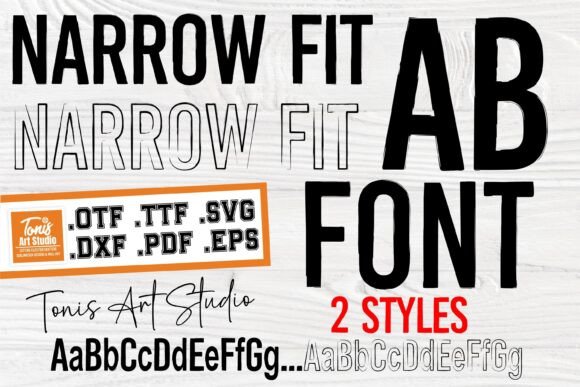
Narrow Fit is more than just a narrow typeface; it’s a design solution tailored for editorial use. Its slim character width creates a sense of sophistication while maintaining legibility. I tested it on a blog header, pairing it with a clean sans serif body font to ensure contrast without overwhelming the reader. The result was a layout that felt both contemporary and professional.
The Regular style of Narrow Fit offers a balanced rhythm, ideal for titles and section headers. Its sharp edges and consistent stroke weight give it a modern edge, making it perfect for digital publications where visual hierarchy is key. Meanwhile, the Outline style adds a decorative flair, suitable for pull quotes or chapter openers in an ebook.
Narrow Fit for Recipe Ebooks and Content Branding
When creating a recipe ebook, I wanted a font that would elevate the design without distracting from the content. Narrow Fit fit the bill beautifully. Its sleek form works well in a minimalist layout, allowing the food photography and step-by-step instructions to take center stage. I used the Outline variant for the title page, adding a touch of personality that aligned with the brand’s aesthetic.
For content branding, Narrow Fit offers versatility. It can be used as a signature font for a newsletter or as part of a logo design. Its narrow structure makes it ideal for small spaces like social media graphics or website headers, where space is limited but impact is essential.
Narrow Fit for Wedding Invitations and Elegant Branding
In a recent wedding guide project, I explored how Narrow Fit could enhance the visual tone. The Outline style, in particular, worked wonders for invitation designs. Its delicate lines and elegant curves gave the text a refined feel, complementing the overall theme of the event. I paired it with a serif body font to maintain readability in longer sections, ensuring the information was both stylish and accessible.
For editorial design, Narrow Fit is a great choice when you want to add a touch of sophistication without sacrificing functionality. Whether it’s a cover page, a pull quote, or a decorative accent, its visual character supports a wide range of editorial needs.
Narrow Fit for Digital Magazines and Print Layouts
Testing Narrow Fit in a digital magazine layout revealed its adaptability. The Regular style performed exceptionally well in headlines and subheadings, offering a modern alternative to traditional display fonts. I found that it maintained its clarity even at smaller sizes, which is crucial for mobile reading.
On print materials, Narrow Fit holds up equally well. Its clean lines and consistent spacing make it suitable for both high-end packaging design and branded publications. When exporting to PDF, I noticed no loss of quality, which is reassuring for designers who rely on accurate typography across formats.
Narrow Fit for Newsletter Headers and Content Structure
One of the most practical uses I’ve found for Narrow Fit is in newsletter headers. Its narrow profile allows it to fit seamlessly into tight spaces, making it ideal for email templates and online publications. I used the Outline style for a call-to-action button, where its bold presence caught the eye without being overpowering.
When structuring content, Narrow Fit helps define visual levels. Its distinct rhythm and spacing make it easy to distinguish between headings, subheadings, and body copy. This is especially useful in long-form content where clear organization is essential for reader engagement.
Narrow Fit for Font Pairing and Commercial Use
Before using any font in a commercial project, I always consider its compatibility with other typefaces. Narrow Fit pairs well with both serif and sans serif fonts, depending on the desired mood. For a more formal look, I paired it with a classic serif font like Garamond. For a modern twist, I used a clean sans serif like Montserrat for captions and navigation elements.
It’s also important to check the included styles, ligatures, and weights before finalizing a project. Narrow Fit comes with both Regular and Outline variants, giving designers flexibility in their layouts. Additionally, confirming multilingual support and file formats ensures the font is ready for global publishing needs.
With proper licensing, Narrow Fit is a reliable choice for creators looking to build a strong brand identity through typography. Whether it’s a printable planner, a course PDF, or a digital magazine, this font supports both visual appeal and functional design.