Horror Boney Font for Chilling Editorial Designs
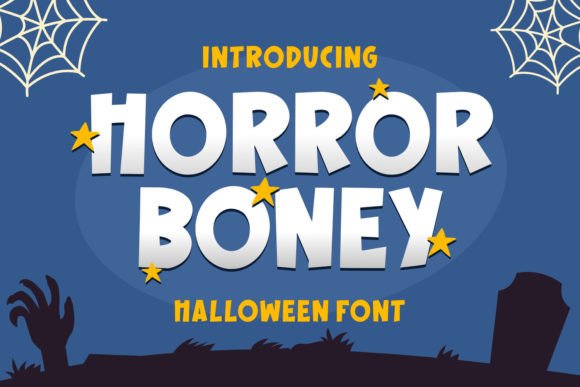
I was tasked with redesigning the header of a lifestyle blog that leaned into eerie, atmospheric themes—think haunted houses, ghost stories, and vintage horror. The challenge was to find a font that felt both elegant and unsettling, something that could capture the mood without overwhelming the reader. That’s when I discovered Horror Boney, a display font that draws its ghostly elegance from the artistic engravings found on age-old tombstones. Each letter manifests a rugged, chipped edge, giving it a haunting yet refined presence.
Horror Boney for Lifestyle Blog Headers and Eerie Branding
Using Horror Boney in the blog’s header immediately set the tone. Its chipped edges and weathered look gave the header an aged, mysterious feel, aligning perfectly with the blog’s theme. It wasn’t just about aesthetics—it was about creating a visual hierarchy that drew attention and evoked curiosity. The font’s display style made it ideal for headlines, while its unique character ensured the brand stood out from generic, modern fonts.
The font’s texture and weight also helped balance the overall design. Paired with a clean sans serif font for body text, it created a strong contrast that guided the reader’s eye naturally from the header down to the content. This kind of thoughtful font pairing is essential for editorial design, especially when working with niche themes like horror or mystery.
Horror Boney in Recipe Ebook Covers and Nostalgic Typography
Later, I tested Horror Boney on a recipe ebook cover designed for a spooky-themed cooking guide. The goal was to blend culinary creativity with a touch of gothic flair. Horror Boney fit seamlessly into this context. Its rugged edges and tombstone-inspired design lent a sense of nostalgia and authenticity to the cover, making it visually compelling for readers who enjoy themed recipes.
What surprised me was how well the font worked for both decorative accents and longer titles. When used sparingly, it added character without becoming distracting. For instance, using Horror Boney for the main title and a cleaner serif font for subtitles created a layered, professional look that felt intentional and cohesive.
Horror Boney for Wedding Invitations and Elegant Branding
Another project involved designing wedding invitations with a dark, romantic twist. Horror Boney was an unexpected but perfect choice. Its chipped edges and ghostly elegance brought a unique charm to the invitations, blending traditional elements with a subtle hint of intrigue. It wasn’t the typical script font; instead, it offered a more structured, engraved look that felt both sophisticated and mysterious.
For this use case, I paired Horror Boney with a soft serif font to maintain readability while preserving the thematic integrity of the design. The result was a wedding invitation that felt memorable and distinct, standing out among more conventional options.
Horror Boney in Digital Magazine Layouts and Editorial Features
In a digital magazine layout focused on historical mysteries, Horror Boney played a key role in defining the publication’s identity. Used as the main font for article titles and section headers, it added a layer of visual storytelling that complemented the content. The font’s ruggedness mirrored the stories of forgotten histories and ancient secrets, reinforcing the magazine’s editorial voice.
One thing I noticed was how Horror Boney performed across different platforms. On screen, its edges were crisp enough to remain legible even at smaller sizes, which was crucial for mobile layouts. In print, the font retained its character, making it suitable for high-quality magazines and printed guides. This versatility made it a valuable asset in multi-format publishing.
Horror Boney for Coaching Workbooks and Engaging Content
I also experimented with Horror Boney in a coaching workbook aimed at creative professionals. The workbook included prompts, exercises, and reflective questions, all wrapped in a design that encouraged exploration and introspection. Horror Boney was used for chapter openers and pull quotes, adding a touch of personality and intrigue to each section.
Its use here wasn’t about being scary—it was about creating a sense of depth and thoughtfulness. The font’s unique texture and weight helped break up long blocks of text, making the content more digestible and engaging. It was a great example of how a display font can enhance the reading experience without sacrificing clarity.
Horror Boney in Newsletter Graphics and Subscription-Based Content
Finally, I integrated Horror Boney into a monthly newsletter for a subscription-based creative community. The goal was to create a consistent, recognizable brand identity that felt both professional and distinctive. Using Horror Boney for the newsletter header and feature titles gave the publication a unique signature that members quickly associated with the content.
Readability remained a priority. While Horror Boney is a display font, it was used selectively—mainly for headings and callout boxes. This approach maintained a clear visual hierarchy and ensured that the content remained accessible and easy to navigate.